
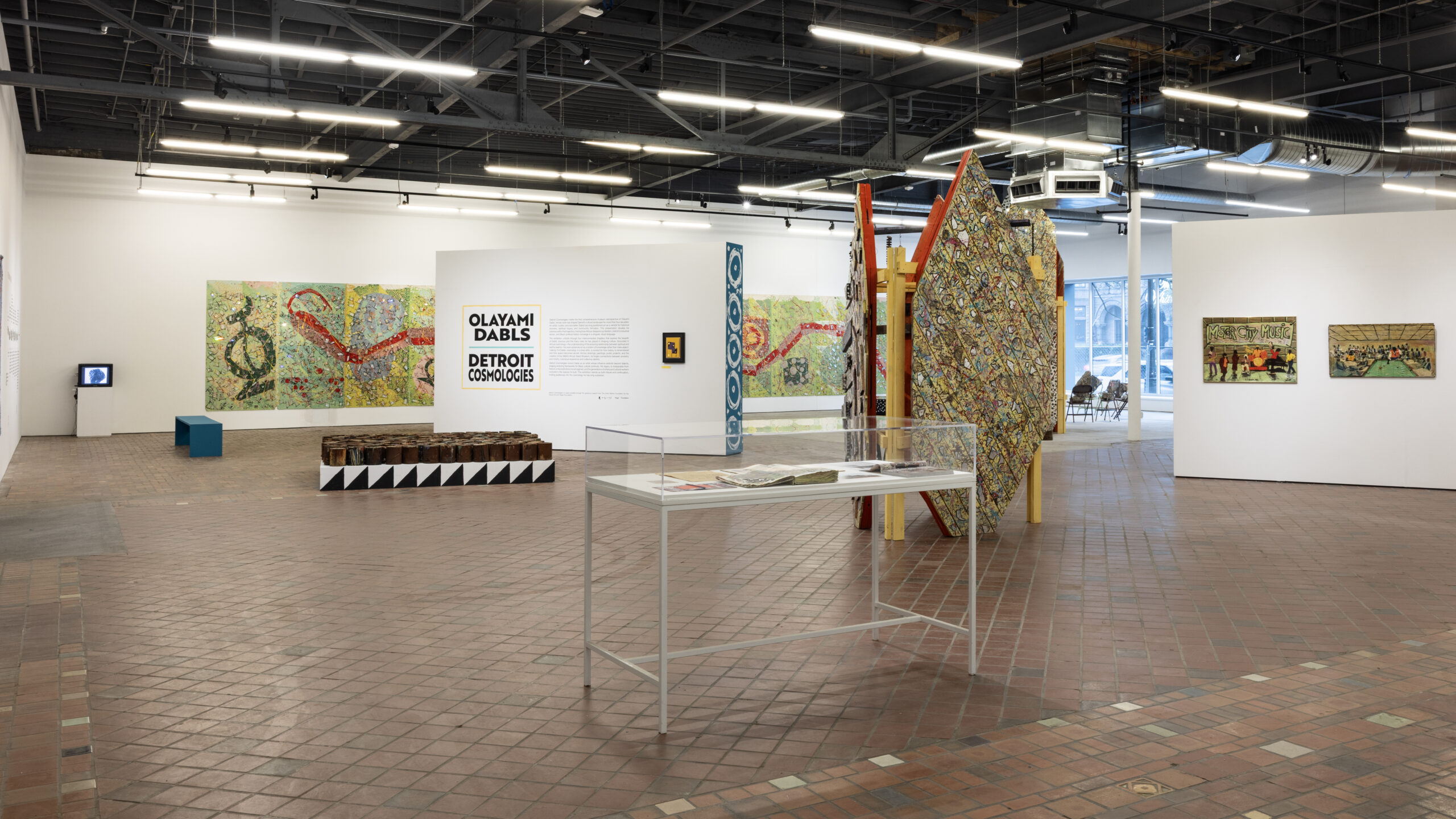
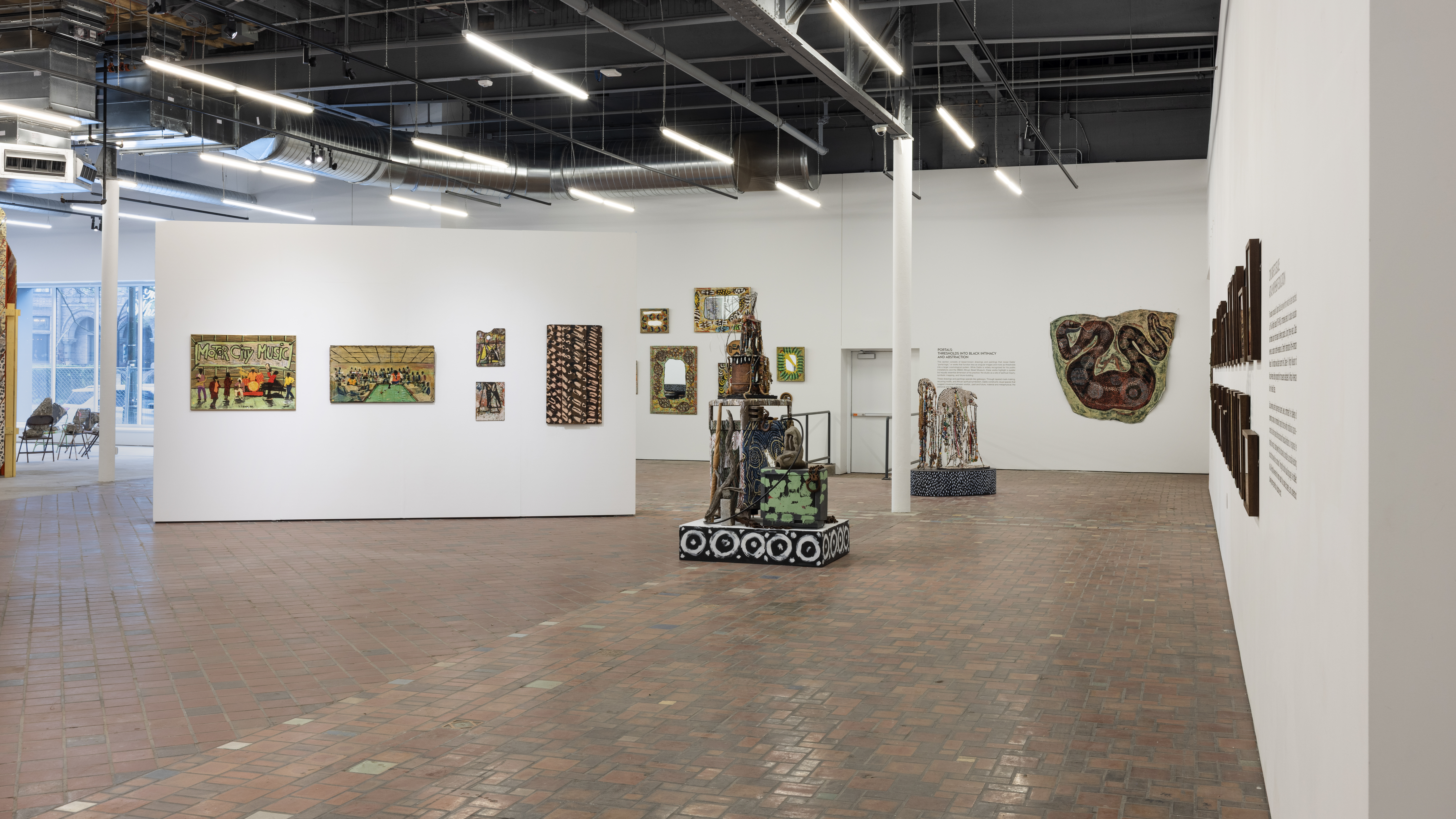
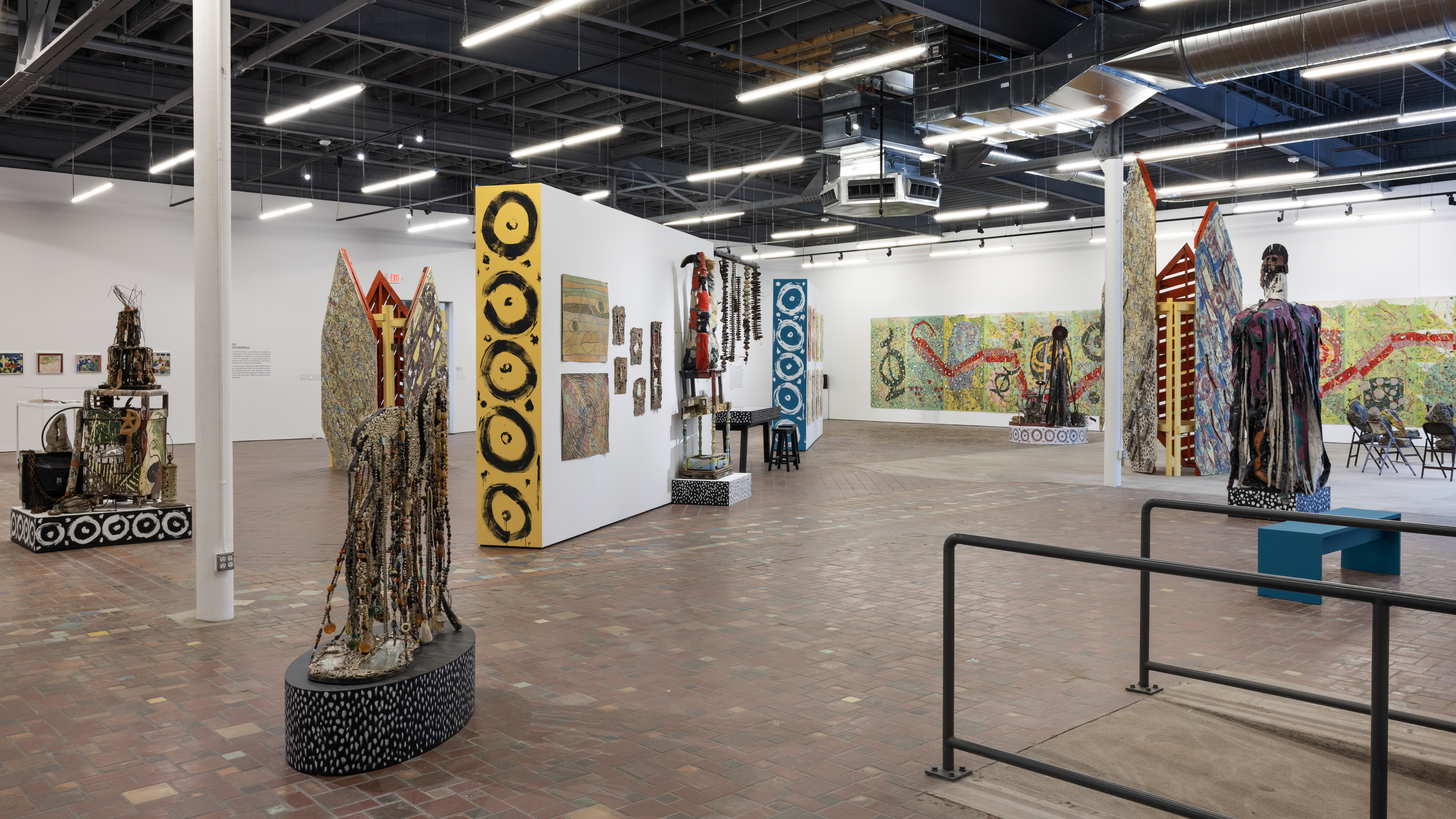
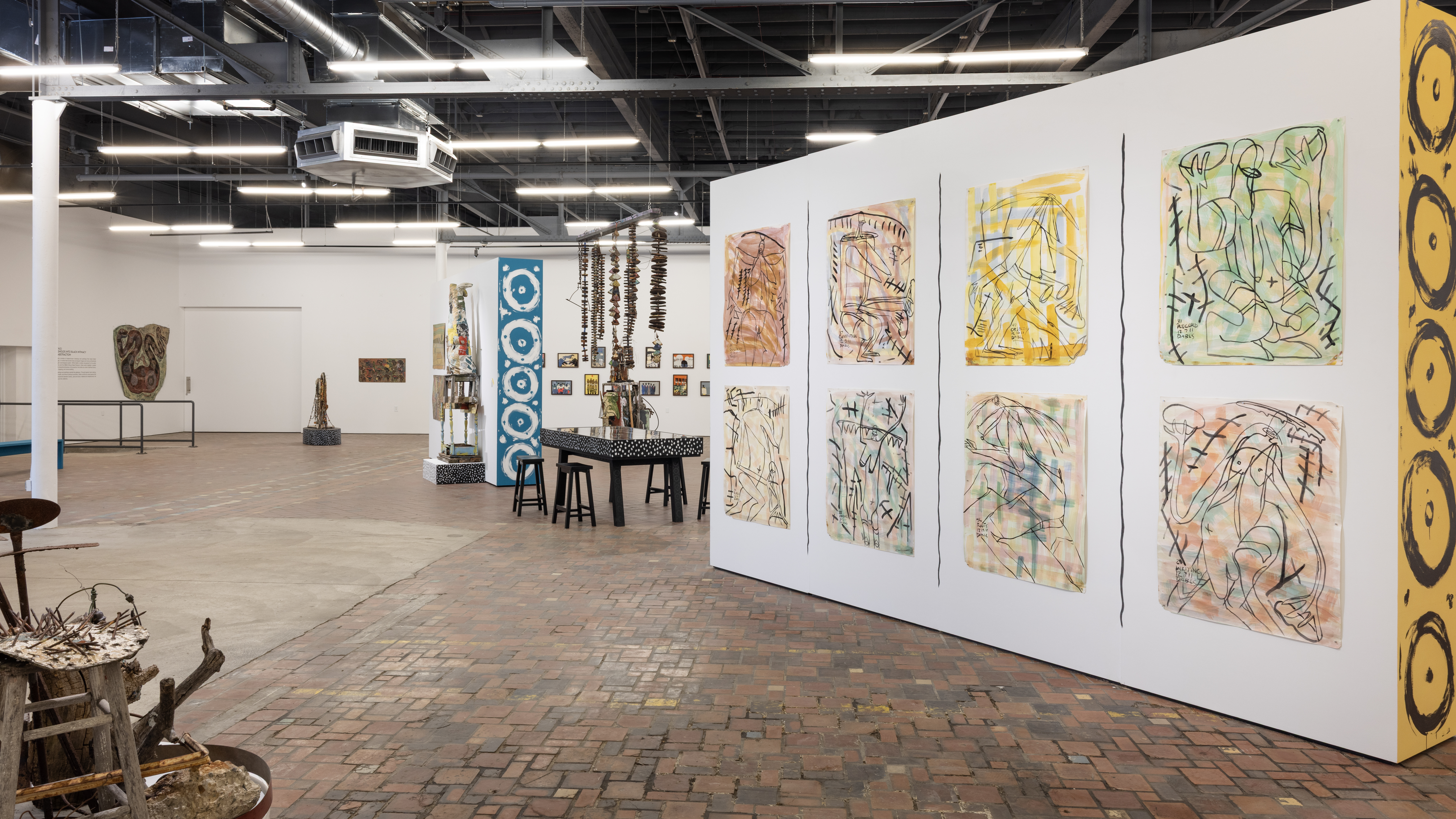
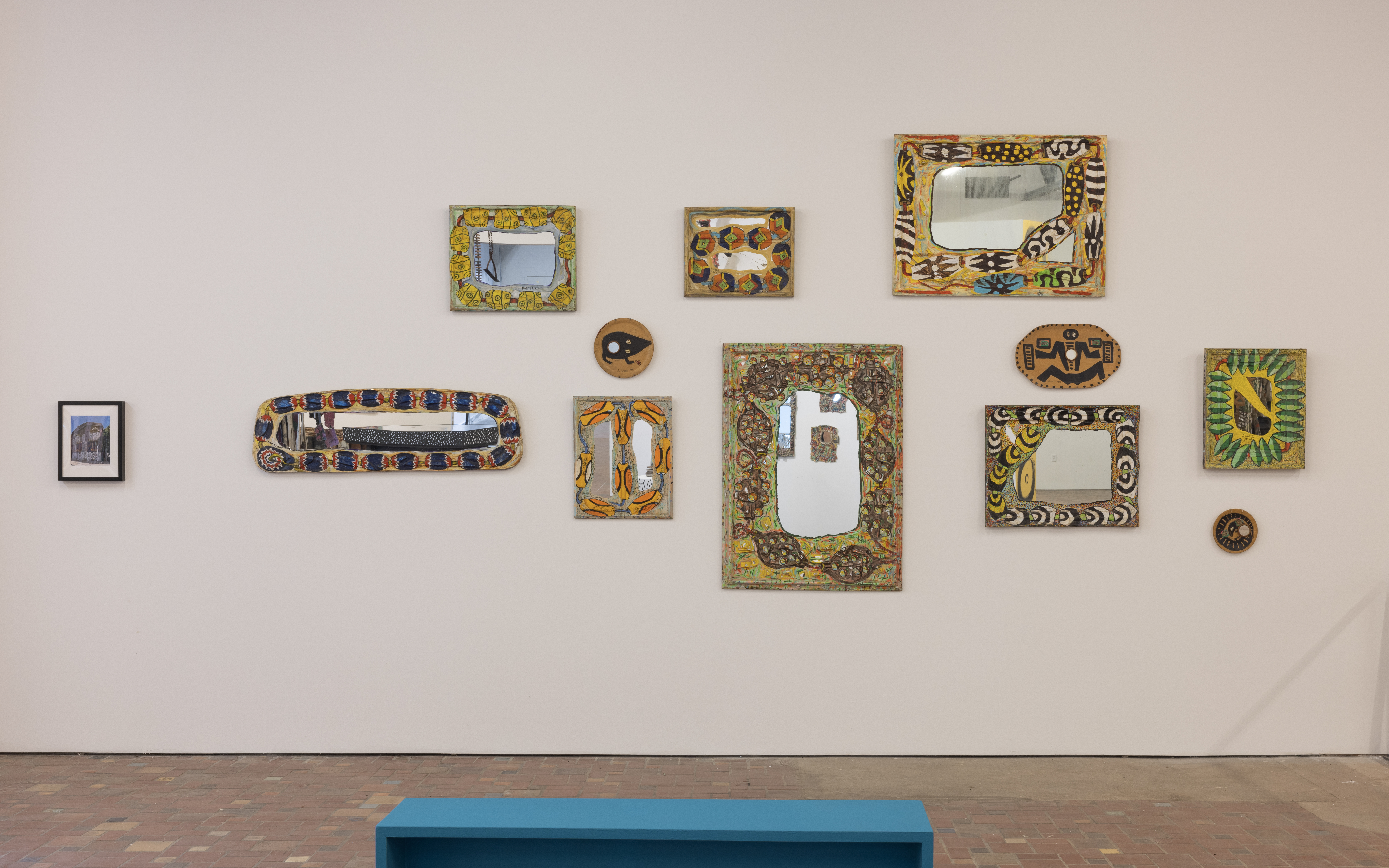
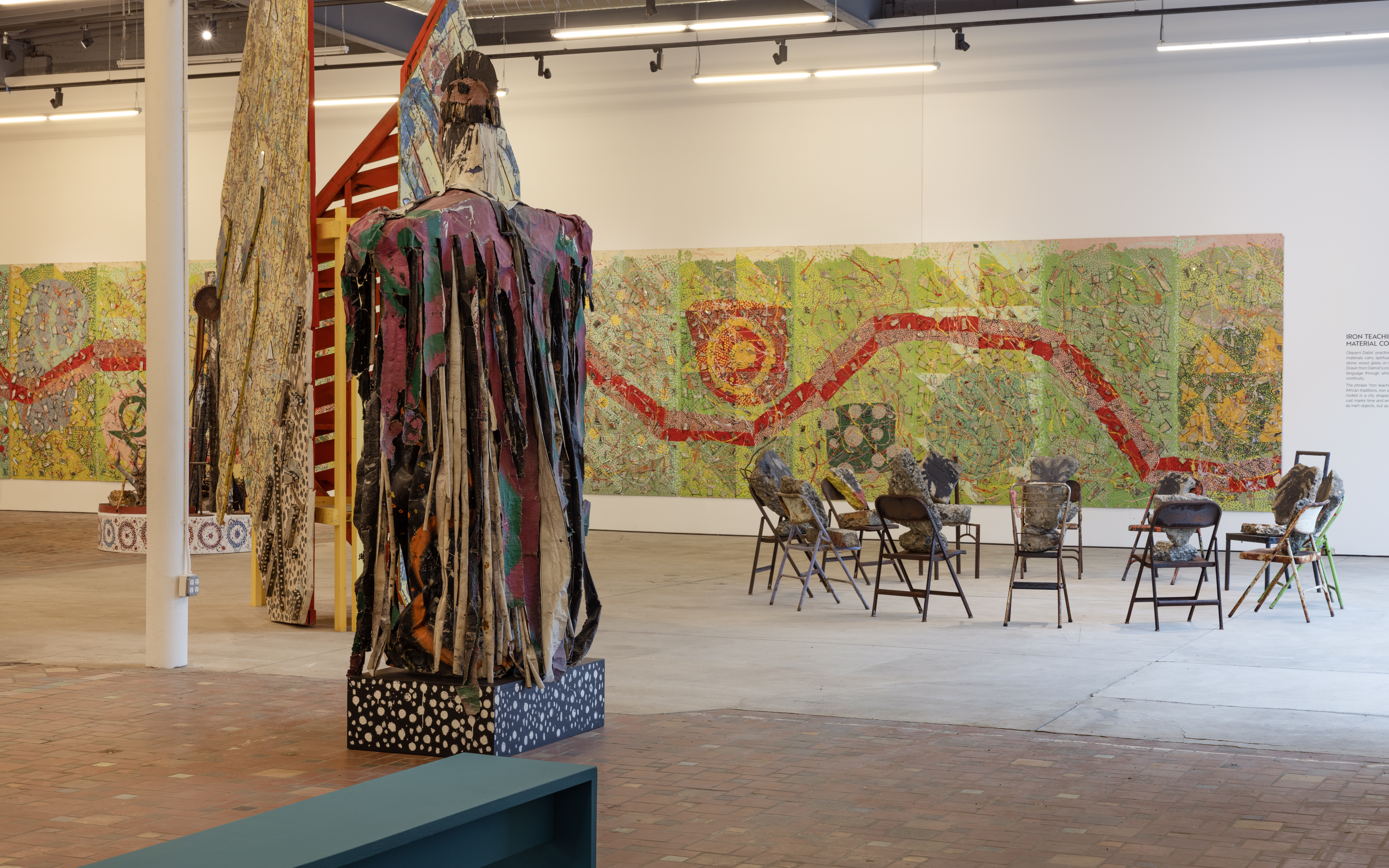
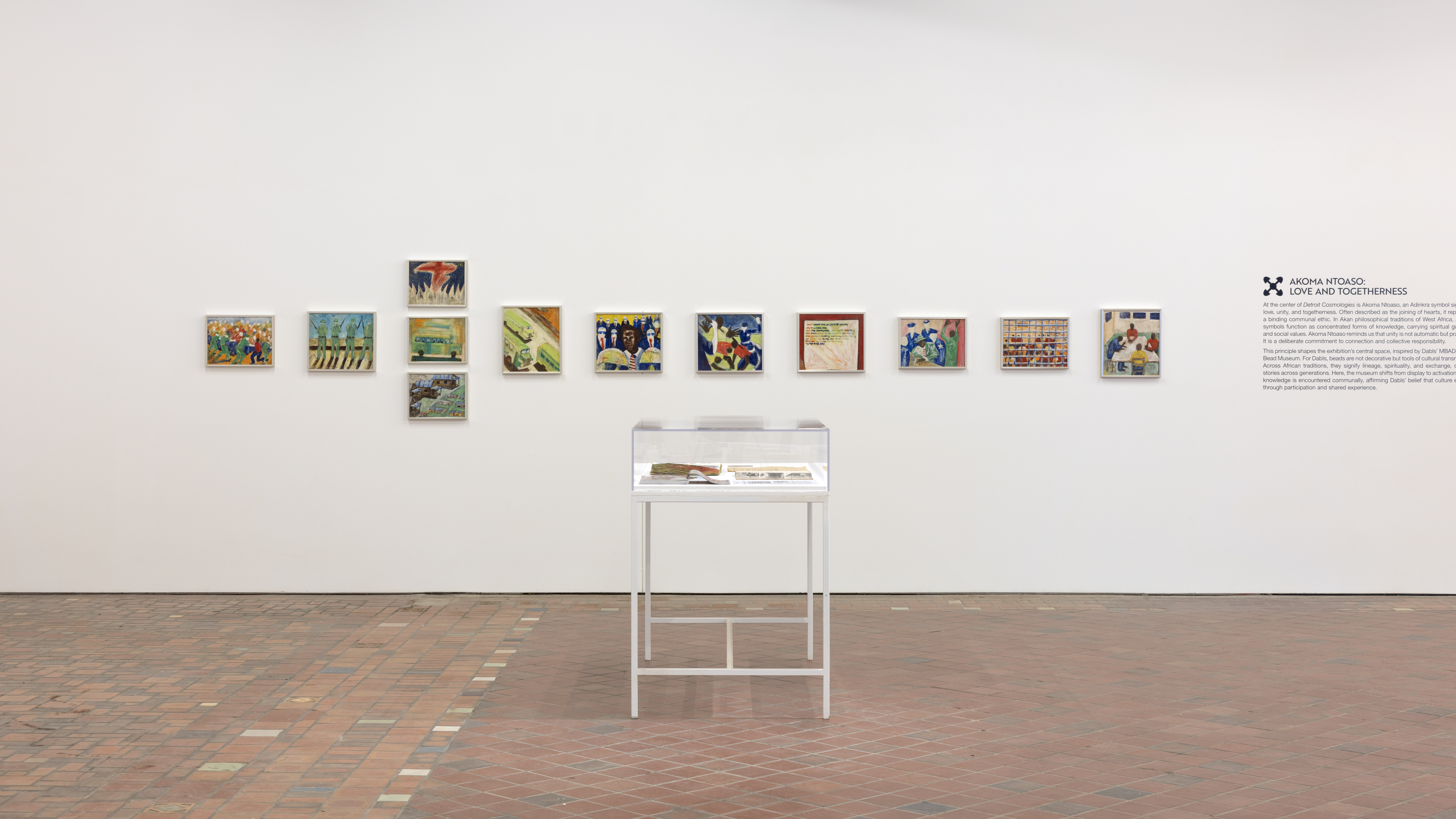
MOCAD presents Olayami Dabls: Detroit Cosmologies, the first comprehensive retrospective of Olayami Dabls, a Detroit artist, storyteller, and cultural historian whose work has shaped the city’s creative life. Spanning forty-five years, the exhibition gathers paintings, sculptures, installations, archival materials, and public works that reflect a practice fusing African symbology, African American history, and Detroit’s industrial landscape into a language of resilience.
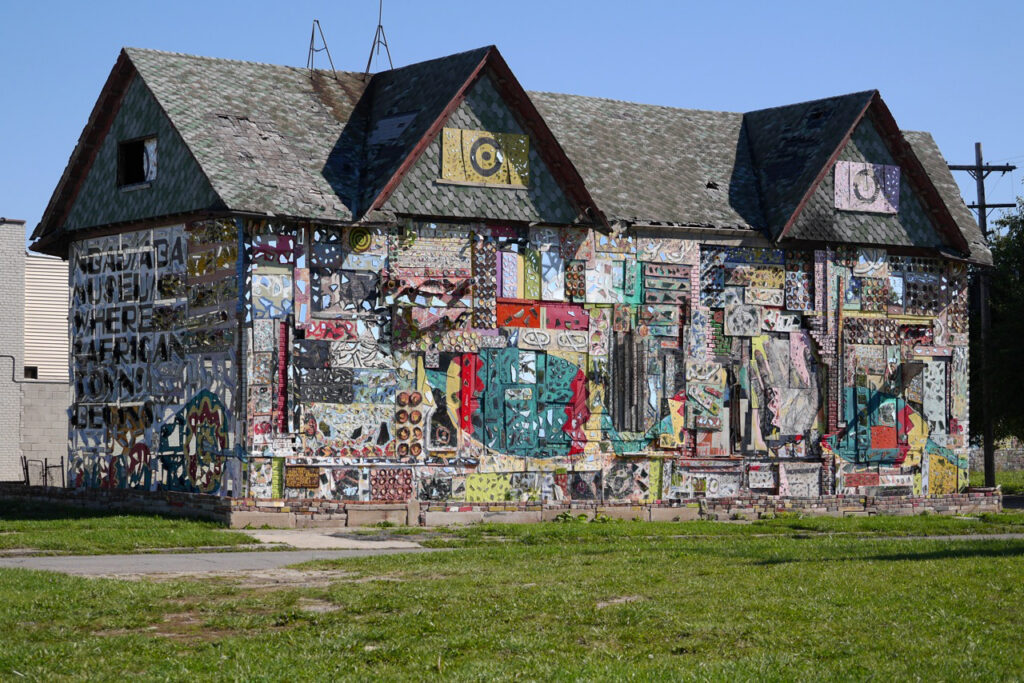
More than a survey, Detroit Cosmologies will turn MOCAD into a layered environment that echoes the MBAD African Bead Museum, founded by Dabls in 1994. Located at the intersection of Grand River Avenue and West Grand Boulevard, MBAD reimagines the museum as a site of art, spirituality, and community healing. With monumental outdoor works, such as the African Language Wall, Dabls collapses boundaries between art, education, and ritual. At MOCAD, his work reimagines Western museum traditions through a public, participatory approach to archiving.
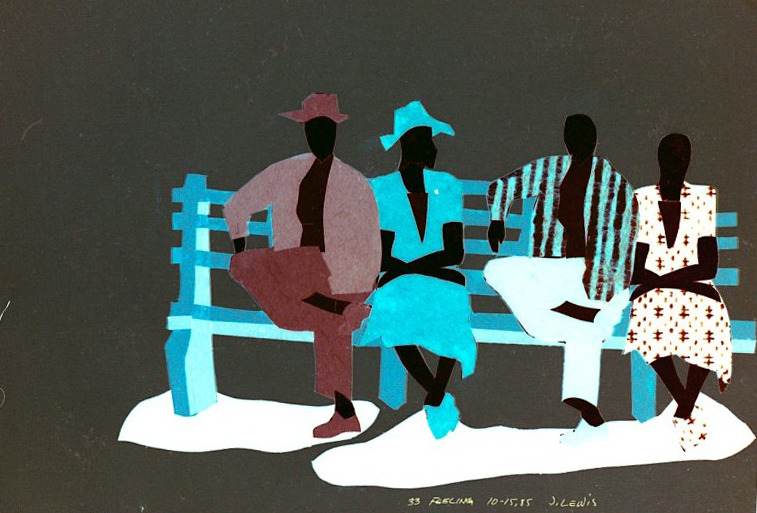
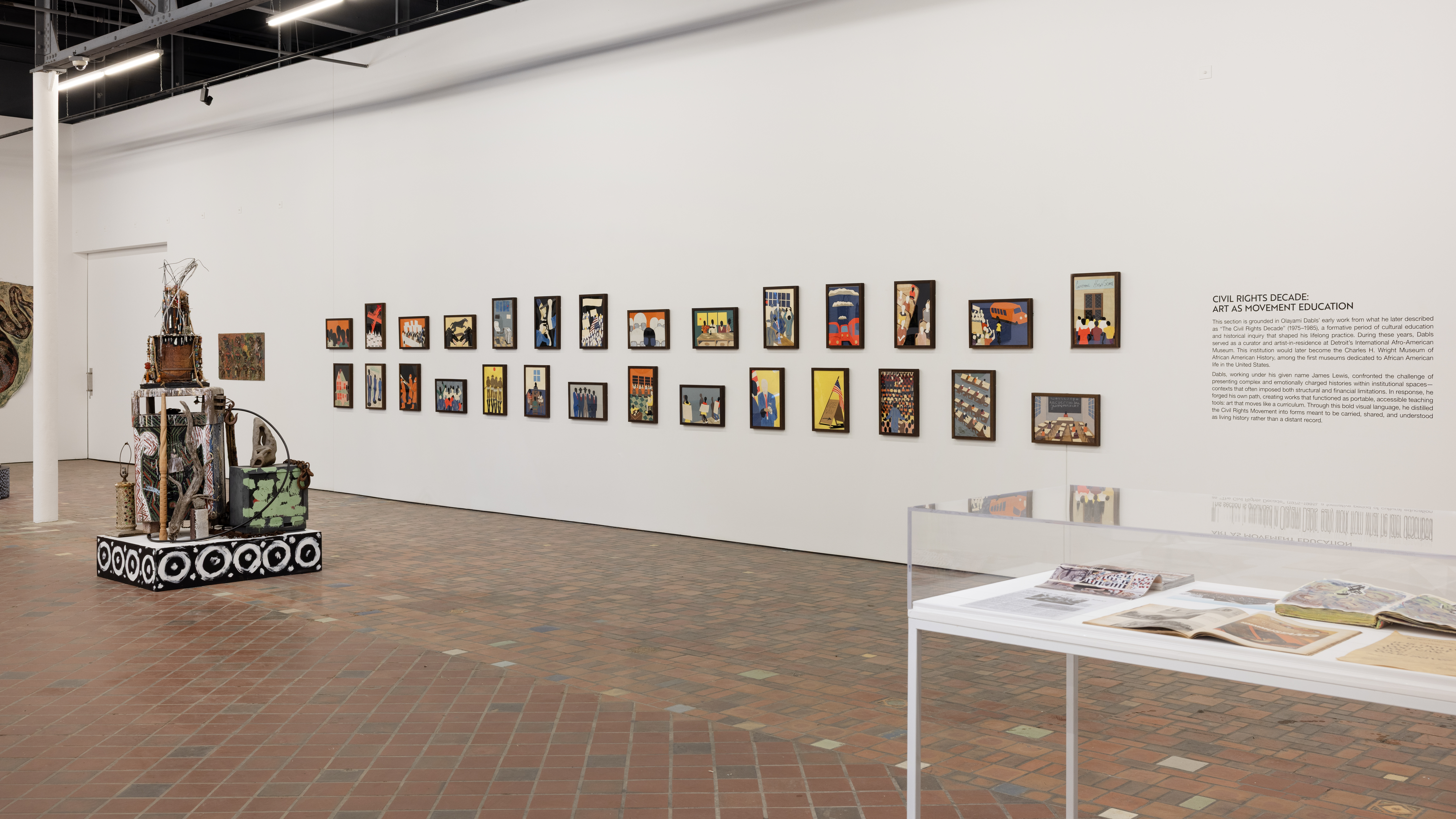
Detroit Cosmologies presents key works throughout the artist’s career, including The Civil Rights Decade (1985), created for The Charles H. Wright Museum of African American History, during his tenure as the museum’s first curator and artist-in-residence. Made in felt, paint, and collage, these pieces translate decades of struggle into portable images of resistance and education. After leaving the Wright Museum in 1985, Dabls built MBAD as an institution grounded in African-centered pedagogy and lived practice—an approach reflected in works from his iconic series Iron Teaches Rocks How to Rust (2003–present), an nkisi-inspired installation from the MBAD Sculpture Garden that explores the relationship between permanence and change through a constellation of found materials. Working with iron, glass, rock, and mirror—materials drawn from Detroit’s industrial landscape—Dabls invokes their cultural associations: iron as strength, glass and mirror as reflection. Through processes of reuse and renewal, he transforms discarded matter into enduring forms of spiritual and cultural continuity.
This presentation at MOCAD is a homecoming that reframes how museums can hold history, ritual, and community. As the museum deepens its commitment to Detroit’s Black cultural heritage, Dabls’s work asserts a model of art as active cultural transmission rather than static display. Detroit Cosmologies positions Dabls as artist, archivist, and philosopher, inviting viewers to see Detroit through a cosmological lens—part memory, part invention, and ongoing cultural renewal today.

Olayami Dabls
OLAYAMI DABLS (b. 1948, Canton, MS) is the founder and curator of the MBAD African Bead Museum and Dabls African Bead Gallery in Detroit, Michigan. He established the museum to return art to its original purpose in African culture: not for entertainment or profit, but as a tool for emotional and cultural healing. Located at the intersection of Grand River and West Grand Boulevard, the museum and its surrounding installations invite visitors to explore the deep connections between material, memory, and identity.
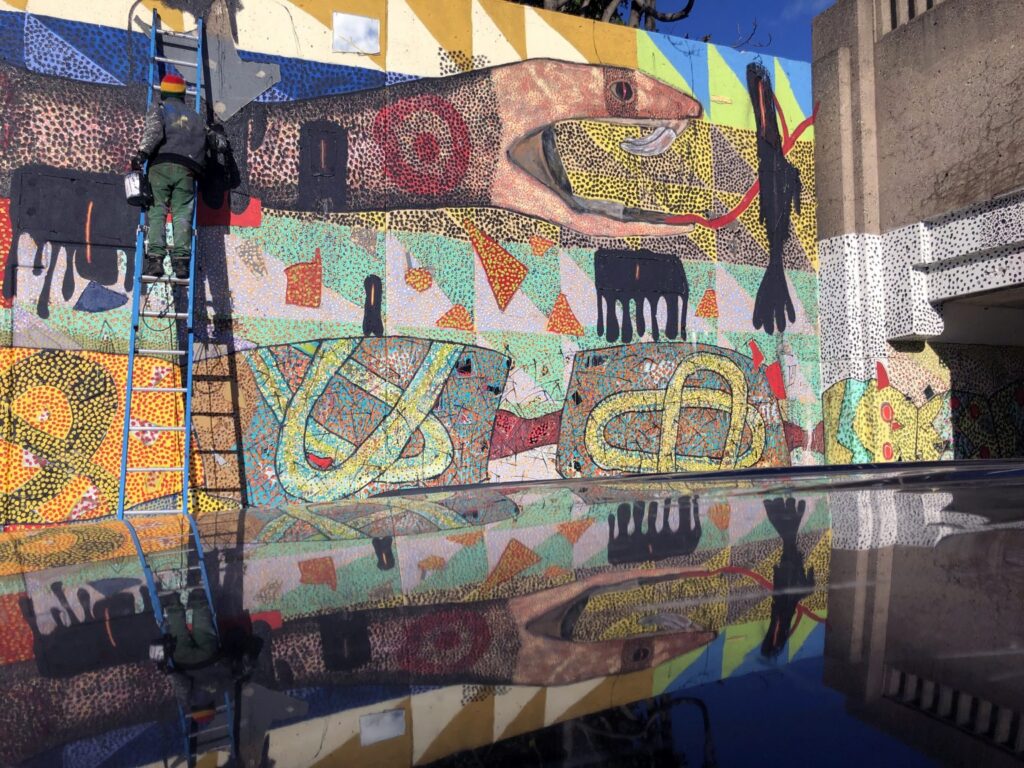
Dabls’s practice, grounded in education and community engagement, reflects his belief that art can help restore balance and understanding. His murals across Detroit extend this vision, including a piece in Eastern Market depicting African women during enslavement and colonization, and another at Grand River and Warren that uses symbolic materials and imagery of snakes; ancient symbols of transformation and resilience.
In the 1970s, Dabls worked at the Afro-American Museum (now the Charles H. Wright Museum of African American History), where he began questioning why African art and symbols were often viewed with fear. Confronting this legacy of colonization, he devoted himself to studying African material culture, ultimately founding MBAD in 1994 as a space to share art through an African-centered lens of history, spirit, and healing.


