ASMA: Wander and Pursuit
By Abel González Fernández

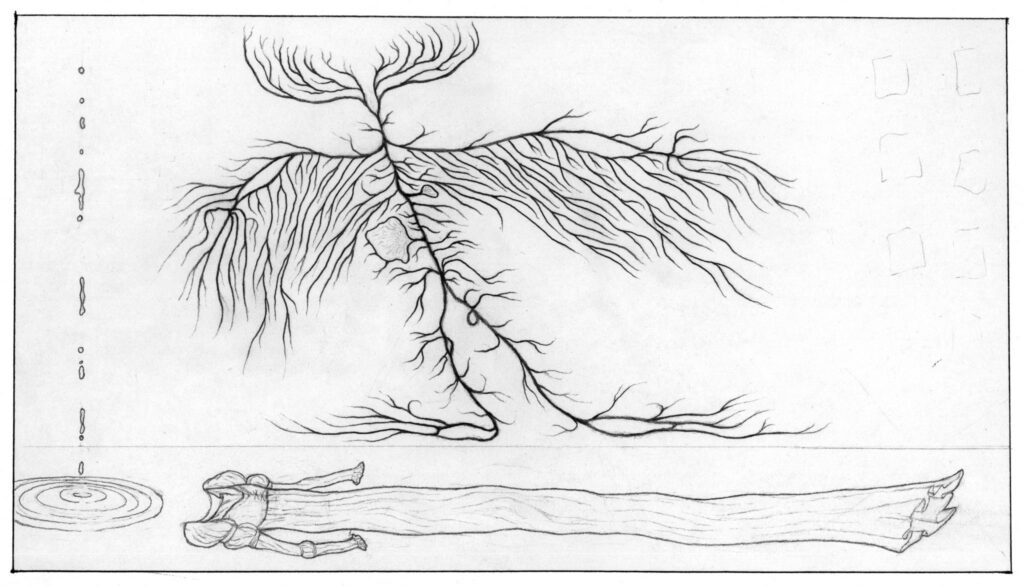
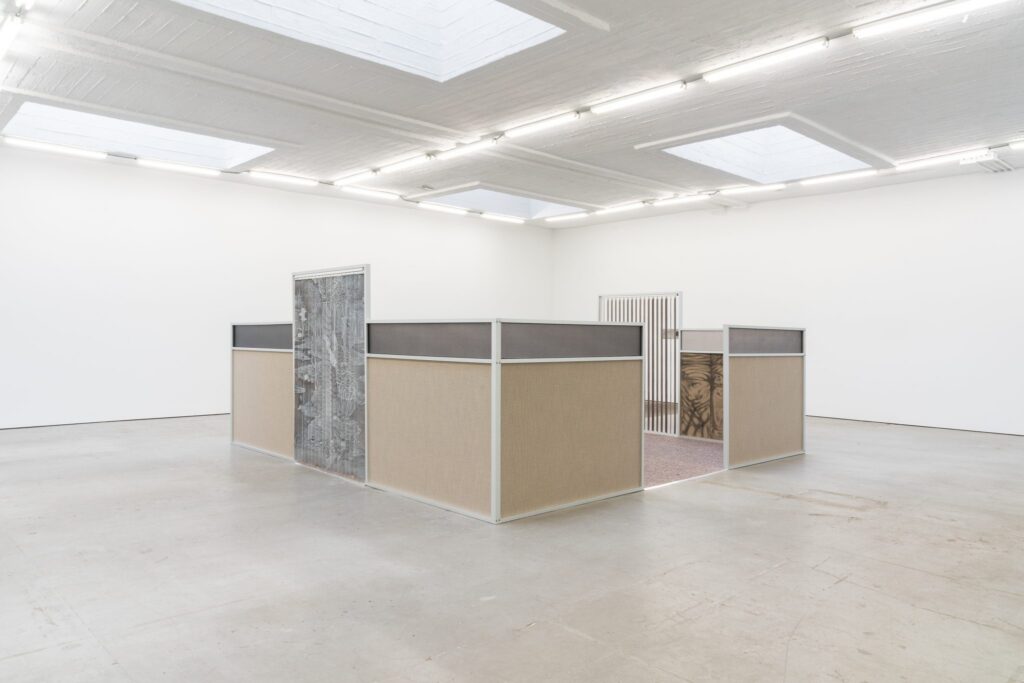
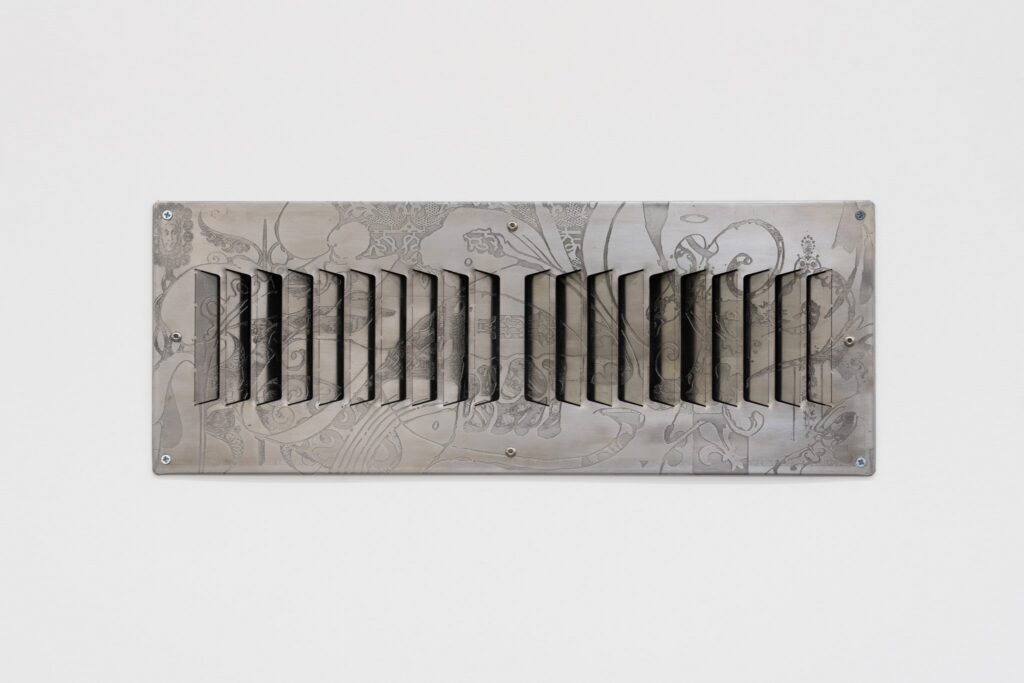
ASMA, detail of Wander & Pursuit, Installation, Wall panels, chairs, printer, blinds, desks, computer screens, vents, carpet, Dimensions variable, 2022. Courtesy House of Gaga.
The work of ASMA seeks to eliminate the dichotomies between functionalism and decoration, affection and pragmatism, and chaos and control by integrating all these fields in a space that can contain contemporary contradictions. Presented at MOCAD, Wander & Pursuit is inspired by romanticist debates surrounding the artist’s role in the industrial era. In this exhibition, ASMA introduces a semi-functional office customized with organic shapes and nontraditional materials, suggesting the labor space is an extension of the human body.
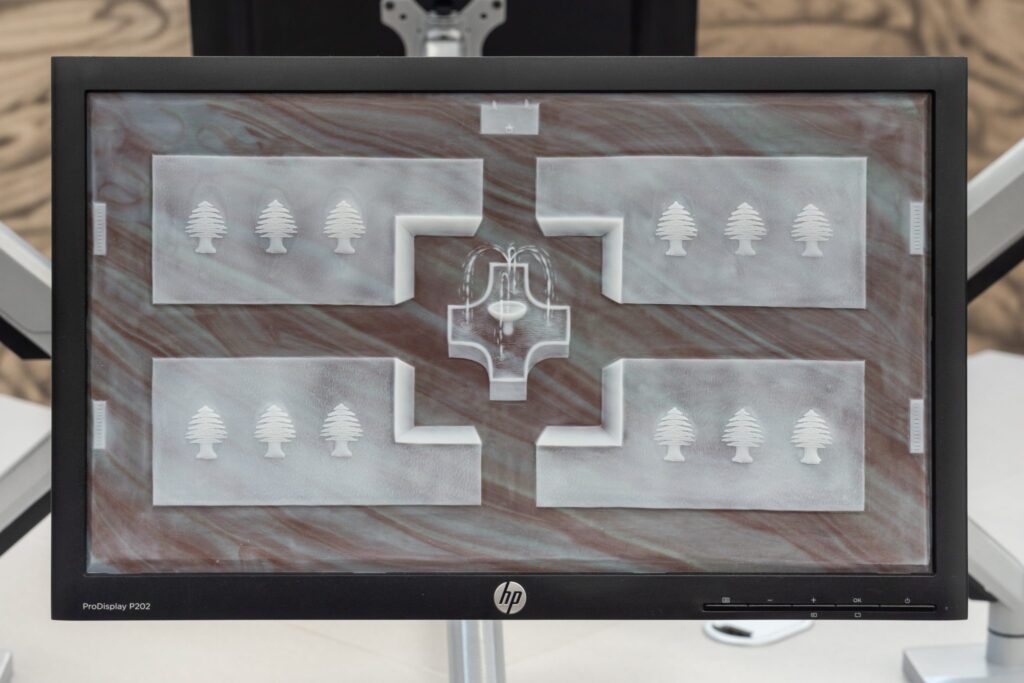
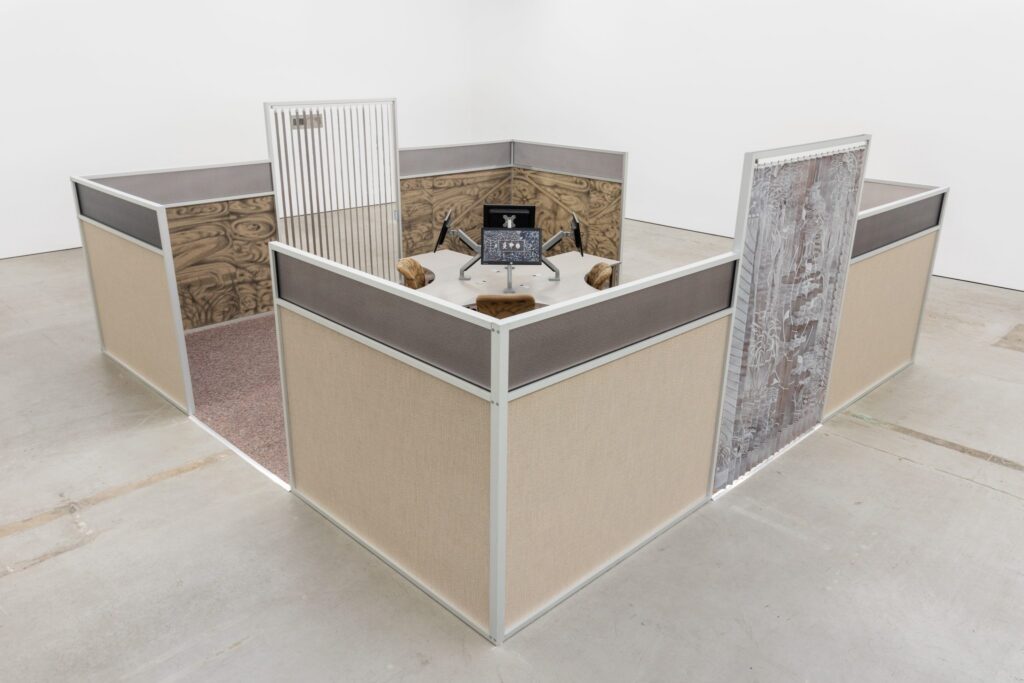
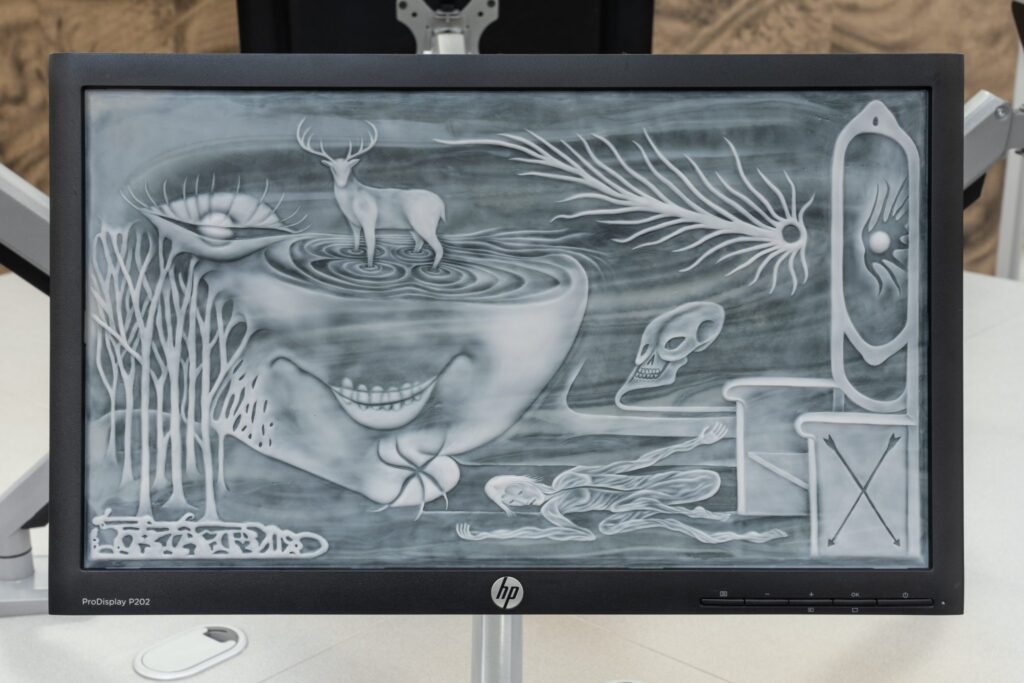
ASMA visualizes the metaphoric merging of biological and artificial life as occurring in the office space, using material technology, surrealism, organic shapes, and craft processes. The installation is a site for two functions. On the one hand, it is an environment that instrumentalizes the body as a labor source, and on the other, it is a place to transform into a recreational space, such as a romantic garden. Wander & Pursuit is populated with chivalric images of the pursuit of romantic love projected on sources of contemporary immaterial labor, such as computers, printers, and other office components. These symbols designate different ways of capital accumulation and social aspirations across different times. In the words of ASMA, this space is “a ruin from a time in our past when life was divided into work and leisure.”
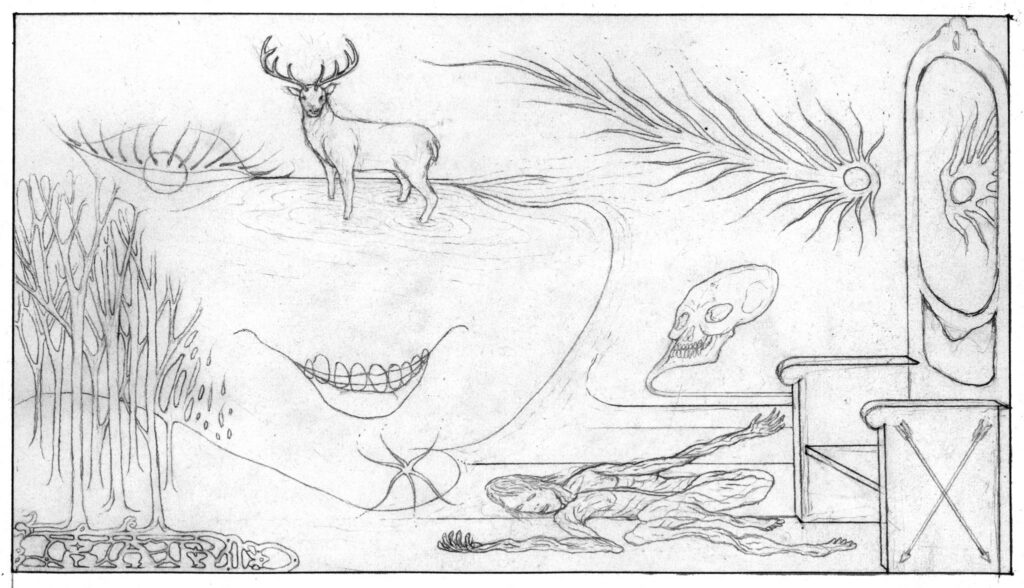
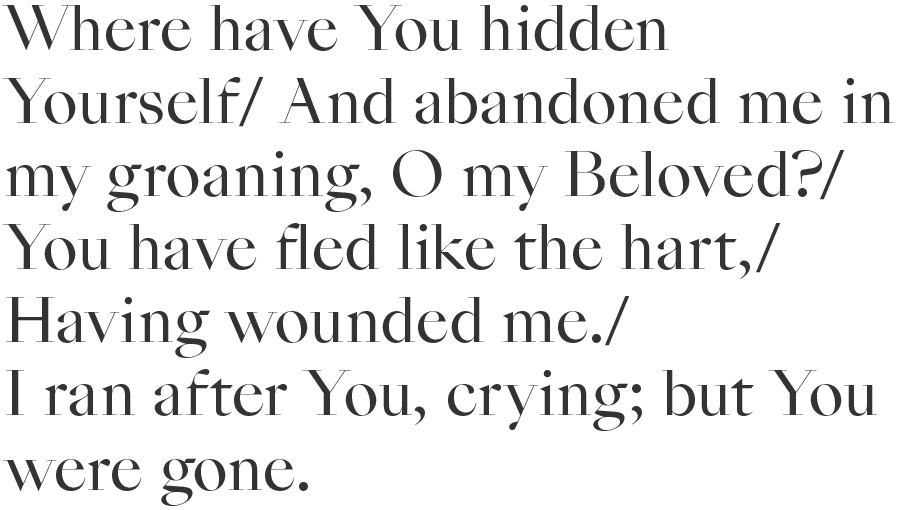
In chivalric literature, the role of the deer is associated with the hunt for love by the gentleman towards the lady and vice versa. The appearance of this creature in Spanish classical literature often happens in the area of the garden, which is the courtship space of couples and the space of projection of desire. A wounded deer represents conflicts within love; on other occasions, it is a good omen for future love. In every case, the appearance of the deer is sudden and brief and signifies transition: the passing of the threshold of rationality and reality to the realm of imagination, love, ecstasy, and surreality. The deer becomes a bodily manifestation of desire, an idea of unreachable and ideal expectations. In *Wander & Pursuit*, the image of the deer is reactivated as a metaphor for the impossibility of leisure in modern society, but at the same time, it motivates the aim for social aspiration tied to wage labor. ASMA shows how cultural images work subconsciously but also how modern architecture failed to produce strict functionality and the capacity of human imagination to implode reified ways of capital, such as the space of the office.
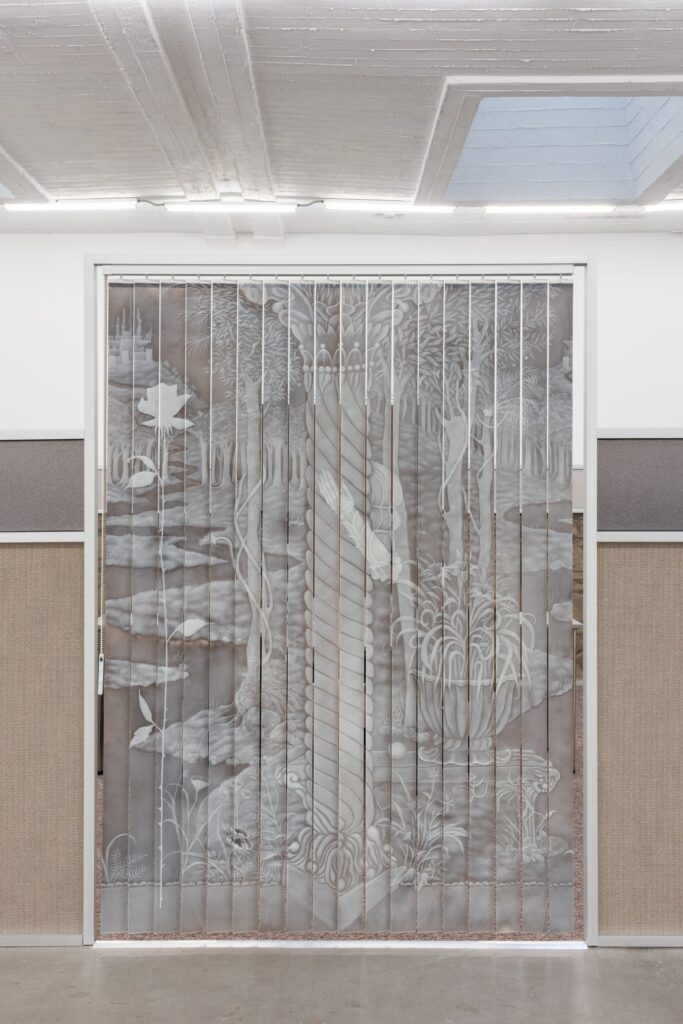
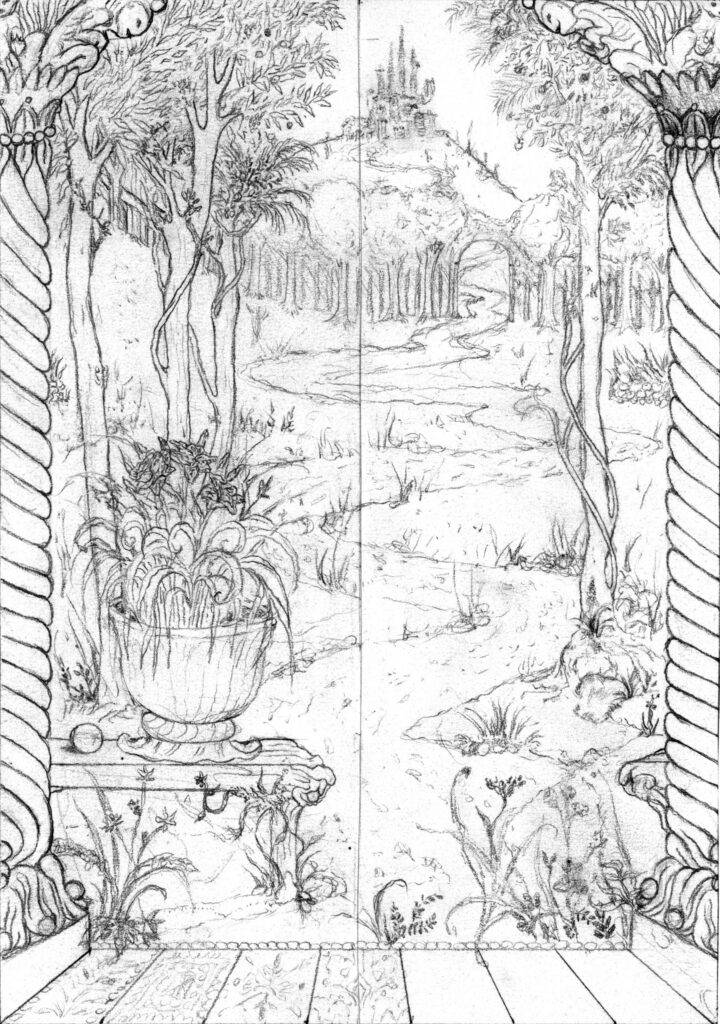
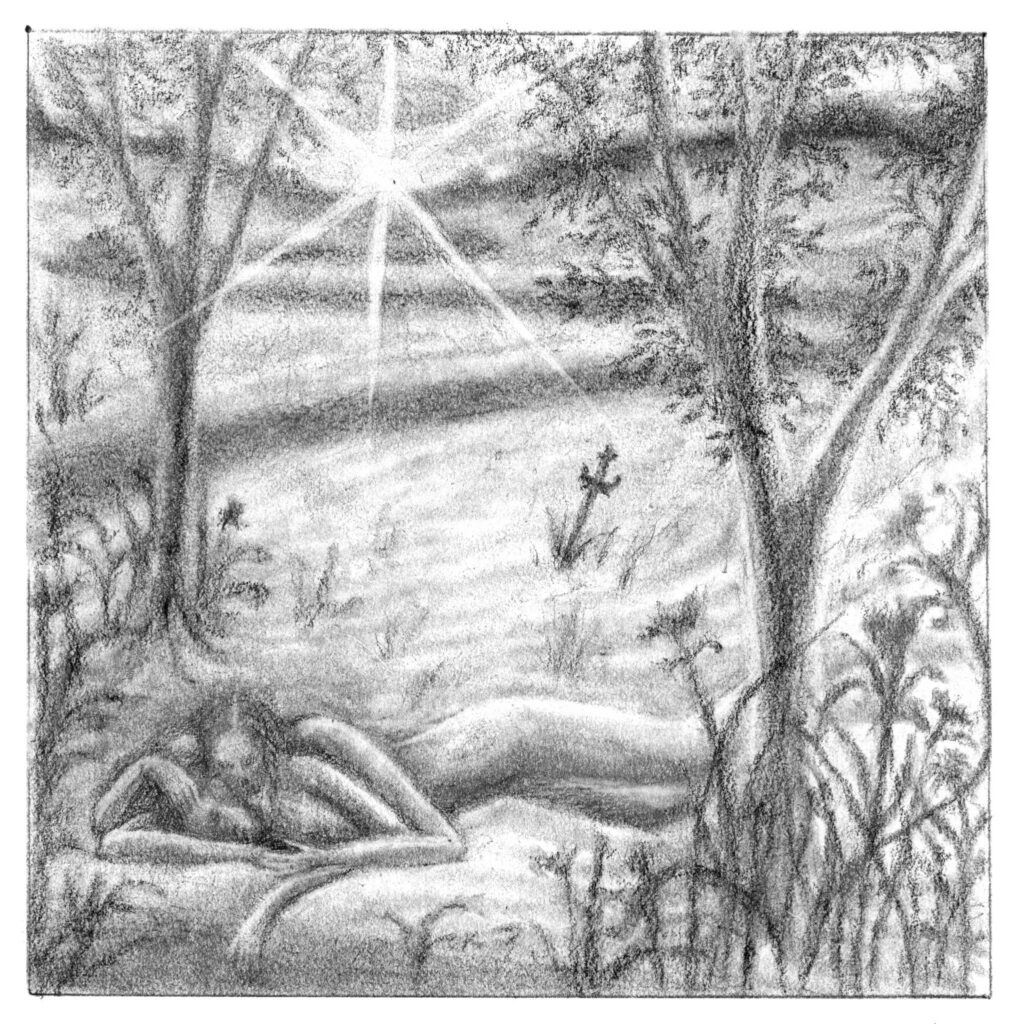
In the schematic story of the “lady” and the “gentleman”, chivalric love emphasizes gender roles in a binary structure. In an art historical context, these two characters often meet in a garden, as a landing site for unleashing repressed forces of desire. However, in Asma’s work, the binarism of gender disappears and we are left with archetypes of desire. Any achievements, including total efficiency, gender-codified love possession, or complete leisure, are set to fail in this hybrid territory. The symbolic representation of a garden within the space of the modern office embodies one of the contradictions of contemporary life: the impossibility of making the human body an absolute source of labor because it will be able to express imagination and desire in any circumstance. In contrast, exercising imagination can become a privilege of capital accumulation through office labor.
Focusing on the Wander & Pursuit, Asma revealed some aspects of humanity’s archetypical behaviors. The act of pursuing chivalric love, wandering through different adventures by the gentleman and the lady, evolves into the driving force for labor within the contemporary office space. The dear embodies the desire accumulated by work roles and the aspiration that surpasses the full instrumentalization of the human body. Freedom and subjection are indistinguishable elements.